
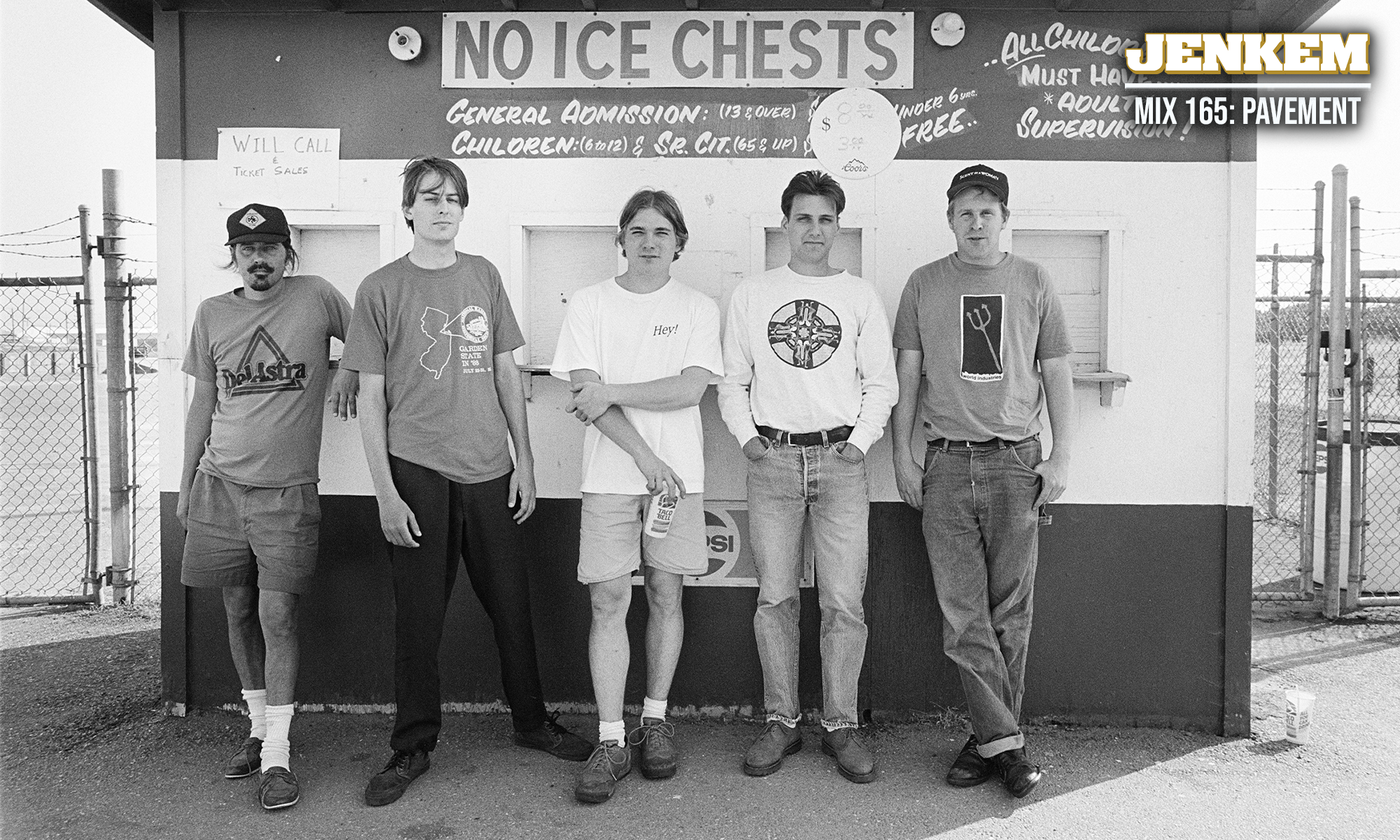
As the yellowed credits of Dan Wolfe’s 1993 Eastern Exposure flicker by, the now iconic opening to Pavement’s “In The Mouth, A Desert” builds. A song that sounds like it just woke up and is sleepily describing a dream, it introduced skateboarders everywhere to the young indie band.
32 years later, Pavement’s musings continue to soundtrack top tier skateboarding. Often credited as pioneering the “slacker” sound we all know and love, we’re delighted to bring you Pavement’s very own Jenkem mix.
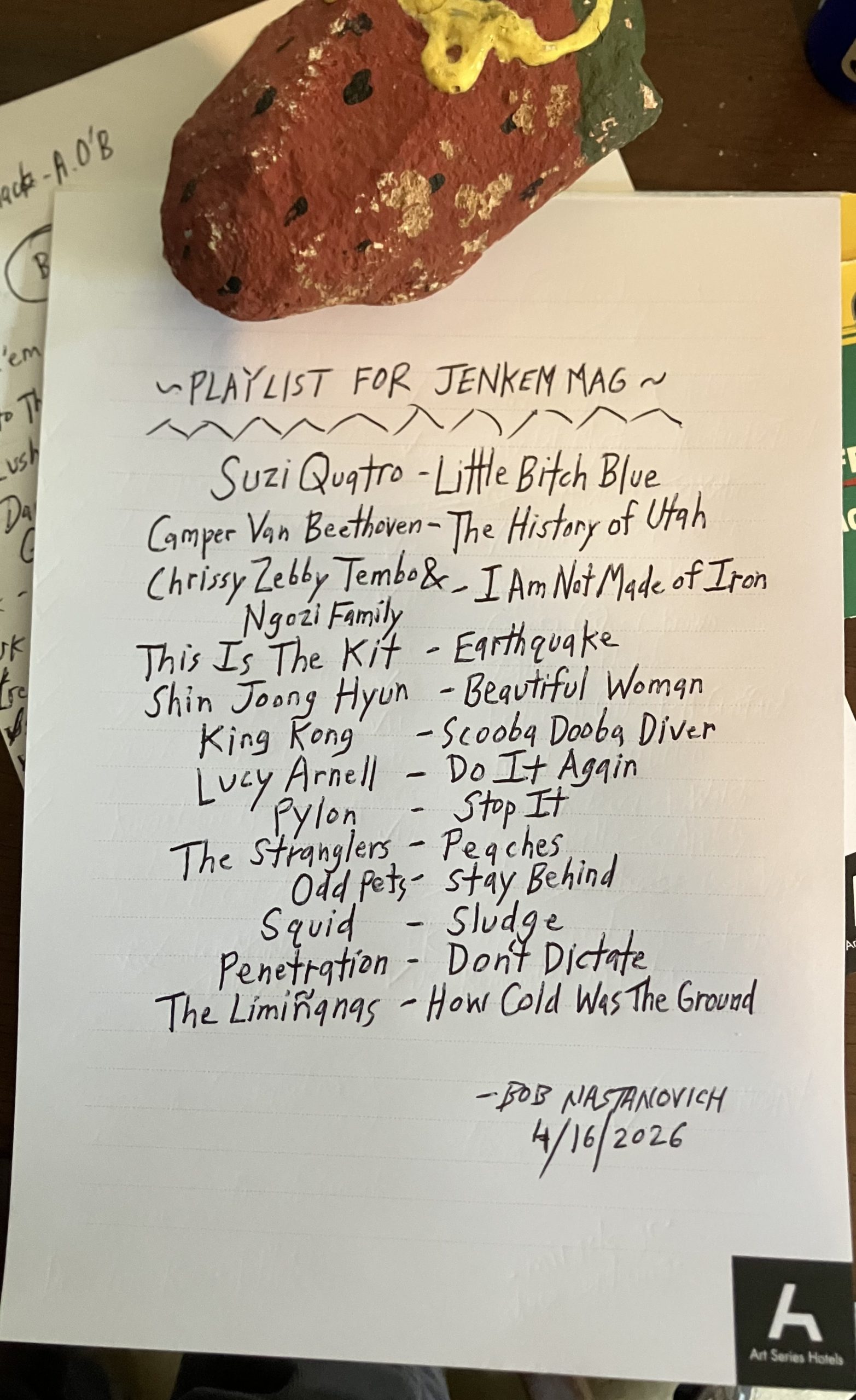
Organized by longtime multi-instrumentalist and resident “screamer” (his words, not ours) Bob Nastanovich, the mix features psychedelic Korean rock, classic English punk, and Zambia’s unique Zamrock sound.
A listening experience that feels like getting lost in a dusty record store with no concept of time, Mix 165 is a true treat. Throw it on, check out our short conversation with Bob, and if you want to experience the band IRL, catch them at Mosswood Meltdown next month.
As always, download HERE or forever hold your peace. Peace!


I read in an interview that Pavement is fundamentally about winging it. Is that still true?
We were winging it all the time in the 90s. Back then we wanted to be good, but we couldn’t pull it off [laughs].
These days, we have to be more put together. We’re playing on big stages in front of large crowds. People aren’t paying $8 to see us anymore, they’re paying god knows, triple figures. You can’t get up there and look over a crowd of 1,800 people who paid $100 to see you and do a shitty gig. We care too much about the people who like our band. They deserve a good show.
Do fans miss that unpolished, DIY feeling that the band and the music was built on?
I think there will always be some songs that sound unpolished because they are primitive songs. But a lot of people probably have always wanted us to sound more polished, to sound better. People want to hear the music the way it was meant to be played, so yes we had that whole diamond in the rough unpolished approach to music in the nineties, but we have fans that saw us in the nineties and have seen us now and they tell us this version is so much better.
Before we get too far, what can you tell me about your relationship to skateboarding?
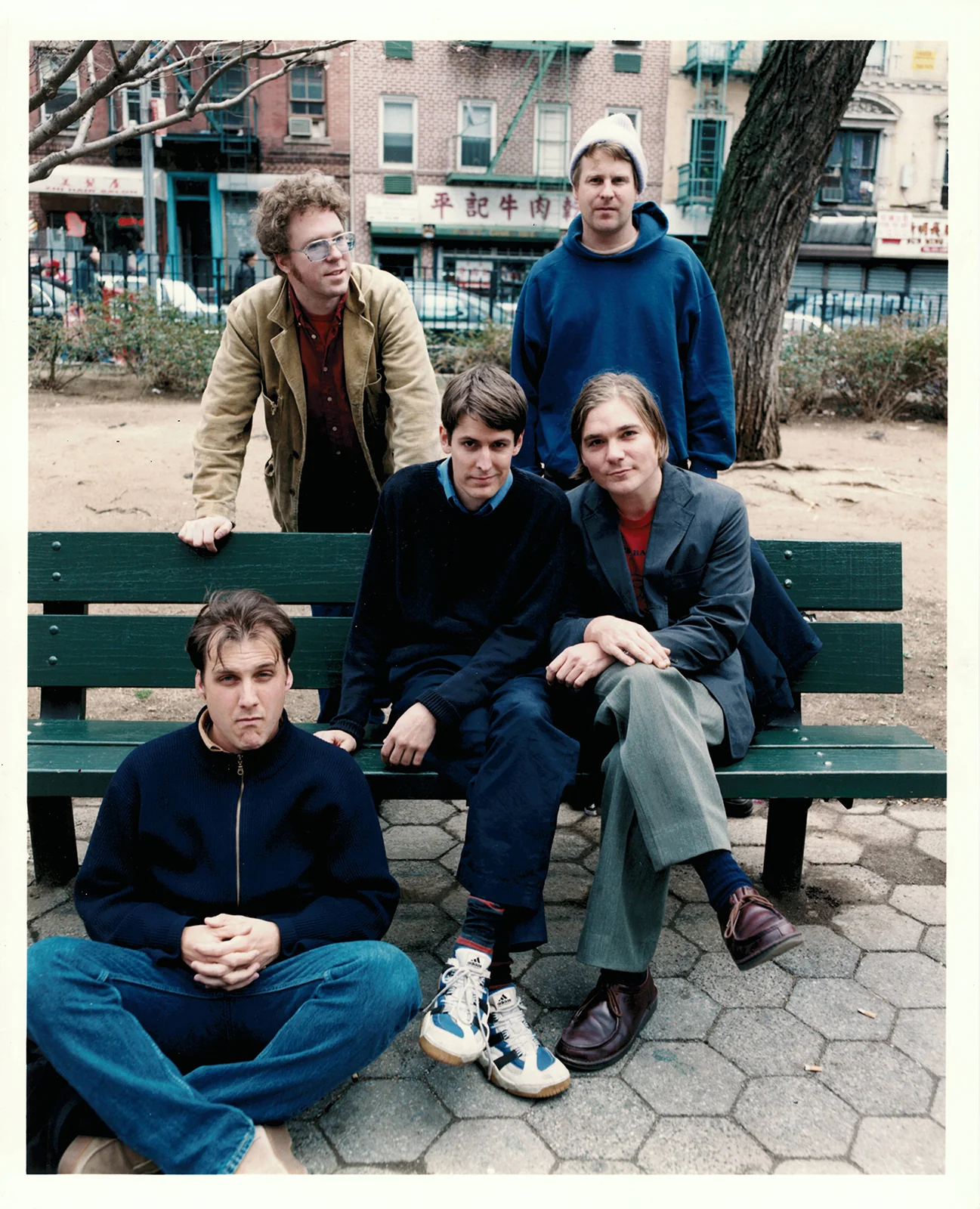
My relationship with skateboarding is that when I was 11 or 12, maybe 1978, me and my sister got a skateboard for Christmas. We got really into it, but for whatever reason they got left behind in the garage. Mark Ibold, who grew up in Pennsylvania, was really into it. He made several trips out to California to all the famous skateparks back then. He’s the only real skateboarder in the band.
I will say, growing up in a punk rock scene like Richmond, Virginia, there were skateboarders all over the place. Louisville had a really cool skatepark, so you’re surrounded by people who skate. That World Industries shirt, for example, some of the aesthetics of skateboarding were very appealing to me, so I liked the logo, I liked the t-shirt, and skateboarding was cool to me. I’ve worn that shirt for years.
“In The Mouth, A Desert” was used in a skateboard video in 1993 and then again in 2020, which I thought was pretty wild. That’s spanning 27 years. What about Pavement’s music do you think continues to relate to skateboarders?
Everything Pavement is based in, generally speaking, is punk rock, and when I think about skateboard culture I think about punk. When you take a song like “In The Mouth, A Desert” I can see why it appeals to skaters.
Is there a Pavement song you could point to as being perfect for a skate video?
“Transport is Arranged.” It’s got really, really smooth elegant parts. And then it’s got some hard rock parts. It’s skateboarding, so transport is arranged [laughs].
Stephen [Malkmus] said not long ago that recording new music for Pavement would be totally cringe. You don’t agree with that?
He could be right [laughs]. But I can tell you this much, if it’s total cringe it’s not coming out. At this point Stephen has his solo stuff and the quartet. He’s the kind of guy that has between ten and fifty song ideas on his computer that he’s fleshing out at any given time, so I wouldn’t rule out anything. And I think he in particular enjoys playing in Pavement now more than he ever did in the nineties.
I’ve heard you say you’re the one that makes things fun in the band. Has it always been that way?
I’m not as anchored by a guitar or a drum set like the others are, so I can just wander around and do what I want. Say we play 25 songs, a third of those I have significant musical responsibility, but there’s another third that if I wasn’t there, I don’t think it would sound that much different. So my job is to engage the audience and have fun. I try not to make an ass out of myself, but you want people to have a good time.
What’s a Pavement crowd like these days?
You get a lot of people in their late thirties, early forties that are longtime fans but never had the chance to see us in the nineties. And then you’ve got a lot of these kids that come now mostly because they heard “Harness Your Hopes” on TikTok or whatever. That’s why you see so many bands in our age group on the road, it’s this interest from new fans.
I’m sure you get this question all the time, but what are your thoughts on the term “slacker” rock?
I think they always got us wrong calling us slackers. I wouldn’t call us cheap, but we never overspent on recording studios. I mean, I think we probably had the lowest music video budget in the history of music [laughs]. We also didn’t really change with the times, in terms of recording and tools used to make the record, and therefore we had rougher edges. But if the songs are good, the songs are good.
We tried to make a “modern” record with Terror Twilight in 1999, and it sort of worked and sort of didn’t. I think it made us realize, Stephen in particular, that it’s time to do something else. We might have made a sixth record and tarnished the whole thing.
So that’s why a sixth album never came?
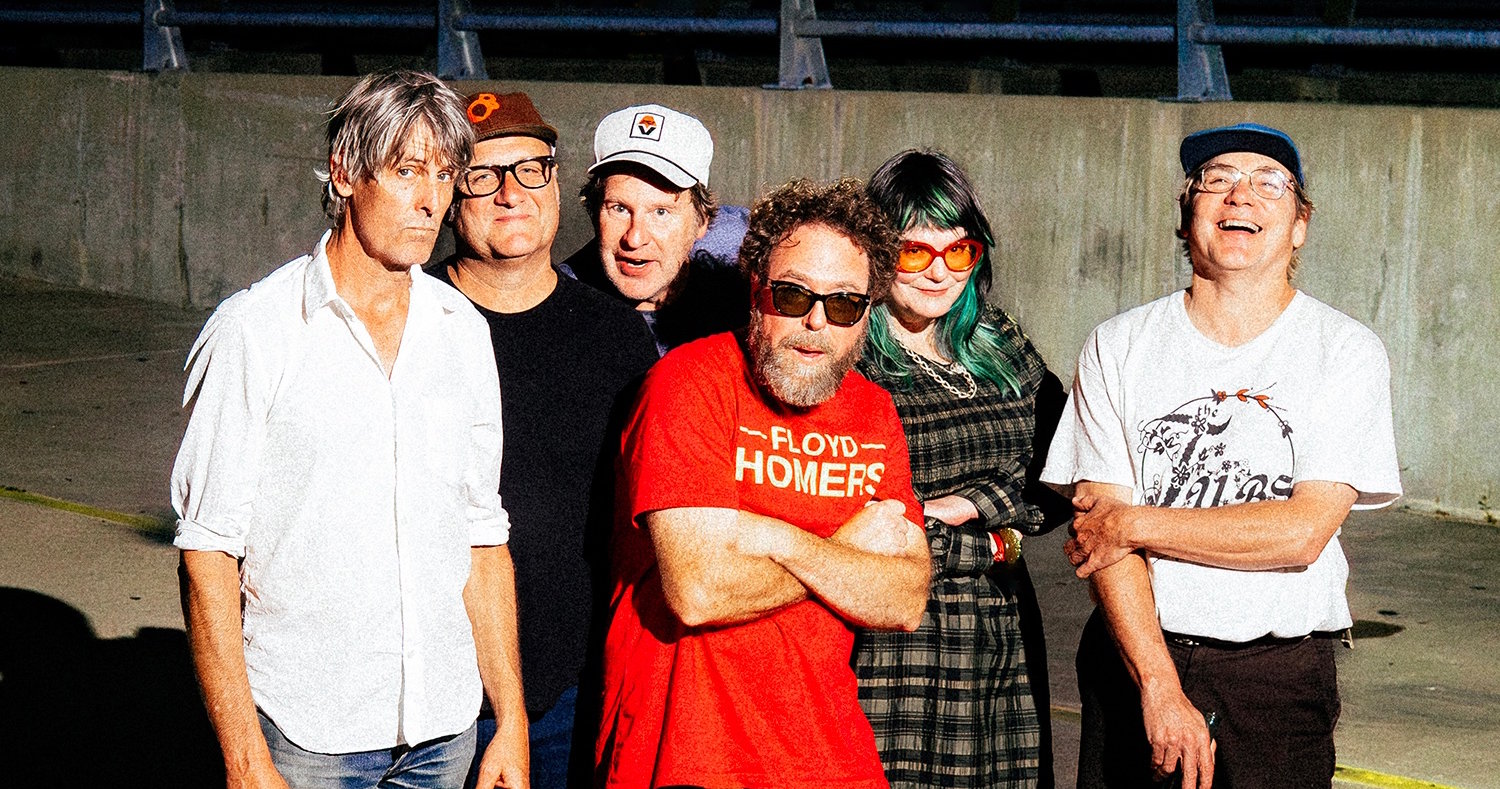
Well, Stephen was also sick of working with a bunch of people who didn’t live anywhere near him. He was living in Oregon, and I think he thought he was doing all the work, writing most of the songs at home and then presenting them to us like we were some sort of princely court of music receivers. I think it just got frustrating for him and it felt like the rest of us weren’t contributing enough. And I can’t argue with him. He wanted to be in his definition of a normal band, where you play with good musicians with similar tastes in the town you live in.
Most of the members still play in bands outside of Pavement regularly too. Scott [Kannberg] makes solo stuff. Steve West plays in a couple of little bands where he lives. Mark Ibold will do things on and off in New York. I don’t because what the hell would I do? Sometimes people will meet me and say, “I heard you are a rock star?” and depending on who it is I’ll say, “I play a bunch of children’s toys and scream [laughs].”
I know Pavement had some mainstream success, but do you ever wish the band went bigger?
We’re way bigger than I ever thought we’d be. In the nineties the only people who felt like we were unsuccessful were the people who made an investment in us, whether it be a record label or a booking agency that booked us and overpaid us thinking that we’d be the next Nirvana.
But do you think we ever expected to play in Helsinki or Japan? All the places that we went and played there’d be at least a few hundred people excited to hear us. That’s success. We got to do all those weird late night television shows and the record sold enough. I mean, I can’t imagine a more exciting way to go through your twenties.
The Shop


Related Posts
-
 JENKEM MIX 102: JAHMIR BROWN
One of the few dudes to look good skating in headphones shares what he bumps when he stunts.
-
 JENKEM MIX 141: MEGAN BALTIMORE
Skateboarding's ultimate 'Girlboss' lends her tastes to curate Jenkem Mix 141
-
 JENKEM MIX 164: TIM KINSELLA
Midwest emo pioneer Tim Kinsella, known for Cap'n Jazz, Joan of Arc, and more takes over the 1's and 2's.
-
 JENKEM MIX 100: BAD BRAINS
Keeping it 100 with Darryl Jenifer, the bassist for the legendary Bad Brains.
-
 JENKEM MIX 135: ANTWUAN DIXON
He’s back, and let us rejoice together in this fact: That style didn’t budge!
-
 JENKEM MIX 121: ALI BOULALA
Ali handed us a mix to cap off Ali Boulala Week on the site. We hope you enjoyed it as much as we did!
-
 JENKEM MIX 145: RAT RATZ
This mix may not bring the guarantee of sliding back tails even half as long as this crew, but it does bring the guarantee of blowing out your speaker setup.
-
 JENKEM MIX 98: KADER SYLLA
Listen to this instead of the mindless Spotify playlists taking over your music taste in adulthood.
Comments
Popular
-
 KEITH HUFNAGEL ON THE FUTURE OF HUF
We heard a rumor that HUF was going out of business, so we talked with boss man himself to find out.
-
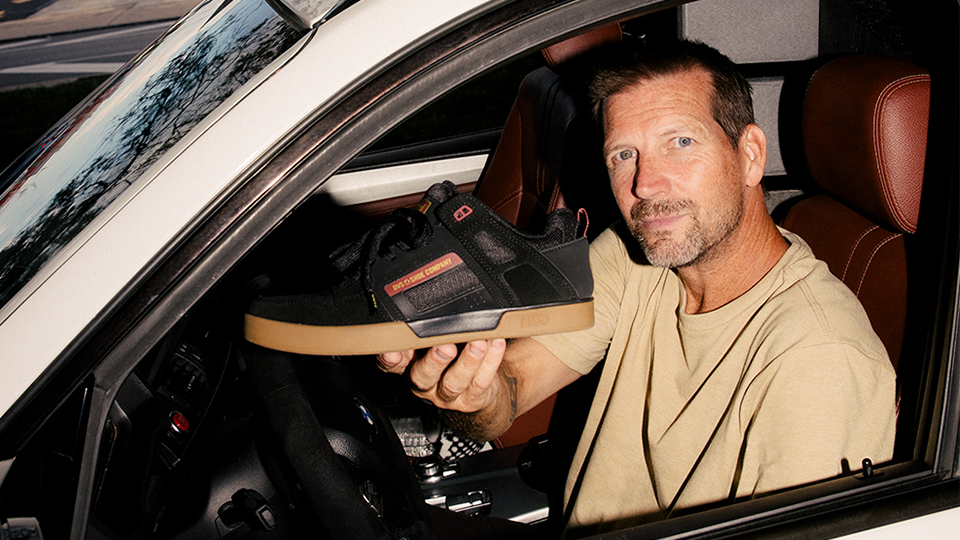 AFTER MANY YEARS IN SKATE SHOE PURGATORY, DVS IS BACK. SHOULD YOU CARE?
A conversation with Lee Berman, a skater who spent over a decade building Converse CONS, about reinventing DVS Shoes.
-
 PARADE WORLD IS RETHINKING THE WAY YOU BUY SKATE GOODS ONLINE
Now you can buy skate goods online and support a local shop at the same time.
-
 GETTING KINKY WITH DANIEL VARGAS
Daniel Vargas' philosophy on whips, chains and getting choked out.
-
 THE HISTORY OF SKATEBOARDING’S MOST TABOO TRICK: THE BENIHANA
If you’ve ever wondered how far back the anti-benihana sentiment stems, you’re not alone.
July 16, 2026 10:36 am
pavement is cool
August 18, 2026 12:26 am
Really cool mix. I like tomb of the mask and how it connects Pavement’s music with skateboarding culture, especially the story behind “In The Mouth, A Desert” and its use in skate videos over the years.